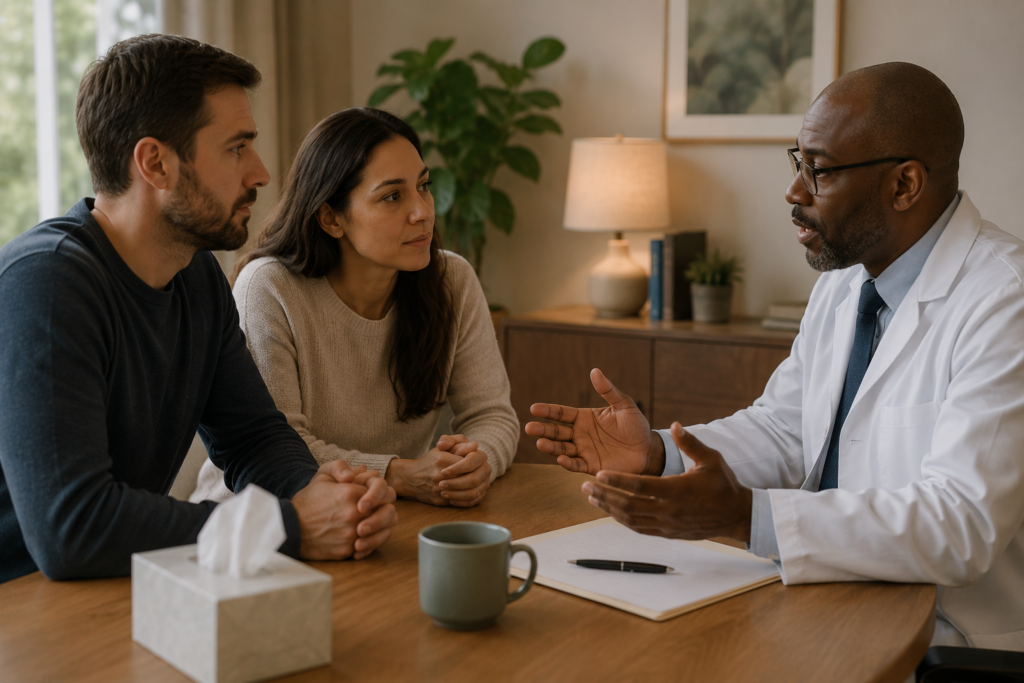
Families who consider a private autopsy are usually searching for something specific. Maybe the official cause of death does not seem right. Maybe there are unanswered medical questions. Maybe there is a legal or insurance matter that requires independent findings. Understanding what questions a private autopsy can answer helps you decide whether it is the right step for your situation.
Common Questions Families Bring
No two cases are exactly alike, but certain questions come up consistently:
- Was the cause of death listed on the death certificate accurate?
- Did a medication or substance contribute to the death?
- Were there signs of a medical condition that went undiagnosed?
- Was the manner of death correctly classified as natural, accidental, or otherwise?
- Did a fall, injury, or external event play a role?
- Were there signs of neglect or inadequate medical care?
Board-certified forensic pathologists train to investigate all of these areas.
What a Private Autopsy Cannot Guarantee
A private autopsy provides expert findings and an independent opinion. It does not automatically change a death certificate or produce a predetermined outcome. If the findings conflict with the official record, families can use the report to formally dispute the original determination through appropriate channels.
The strength of the findings also depends on timing. A thorough examination is most possible before embalming, burial, or cremation. The sooner you act, the more complete the information available to the pathologist.
Answers That Help You Heal and Help You Move Forward
Sometimes the questions a private autopsy can answer extend beyond personal closure.
The report can support a life insurance claim, provide evidence in a wrongful death case, or help a family understand whether a medical error occurred. In those situations, the findings serve a practical purpose alongside the emotional one.
Frequently Asked Questions
Does the private autopsy have to happen before burial?
Not always, but it is strongly recommended. Embalming and burial limit what a pathologist can find. Acting quickly gives the examination the best chance of producing clear answers.
What if a government autopsy was already performed?
A second, independent autopsy opinion is still possible in most cases. The private pathologist reviews available findings and conducts their own examination.
Check out more Frequently Asked Questions here.
Need Help Arranging a Private Autopsy?
Forensic Pathology Services (FPS) works with families nationwide to provide independent autopsy services and medical insight when questions remain after a death.
Our 180+ board-certified forensic pathologists can help explain the options available and guide families through the process. Contact us here.